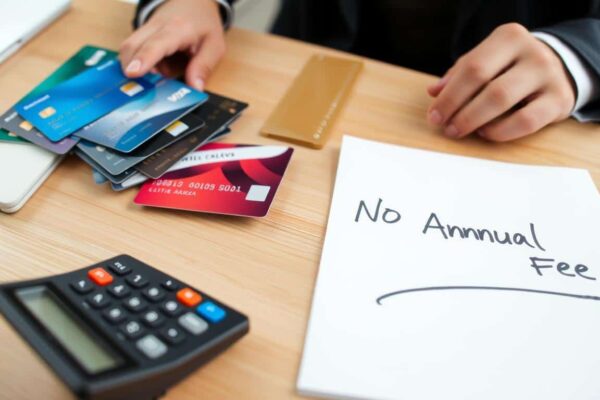
What is a Secured Credit Card?
Can a refundable deposit really unlock better financial options for you?
Think of this product like an apartment deposit for your spending. You place cash up front. That deposit lowers lender risk and gives you a protected line to use.
Issuers often report payments to the big bureaus. That means on-time behavior can help your credit score over time. Many users with limited history find this path easier to qualify for than other options.
Keep in mind fees and rates can run higher, and limits usually start low. With steady, responsible payments, you may graduate to an unsecured product and get your deposit back.
Key Takeaways
- The deposit acts as collateral and makes approval easier for many applicants.
- On-time payments help build credit history when issuers report to bureaus.
- Expect lower limits and possible fees—watch APRs and monthly charges.
- Responsible use can lead to an upgrade and return of your deposit.
- This path fits newcomers, rebuilders, or those denied elsewhere.
What Is a Secured Credit Card? Definition, Purpose, and How It Helps Your Credit
A refundable deposit gives you a real revolving account while lowering lender risk.
How the deposit works:
The one-time deposit—often around $200—acts as collateral. It usually equals your starting limit and stays on hold while the account is open.
The deposit is refundable when you close or graduate to an unsecured product, provided your balance is paid. Because that cash protects the issuer, approval is easier for people with thin or no credit history.
Why this helps your score:
If the issuer reports your account to the three major credit bureaus, on-time payments and low balances add positive entries to your history. Missed payments can still harm your score, so timely payments matter.
- Acts as collateral so lenders approve more applicants.
- Provides a real revolving line that can build credit history.
- Some cards offer modest cash back, but the main benefit is rebuilding or starting history.
| Feature | Typical Detail | Why it matters |
|---|---|---|
| Required deposit | $200–$500 common | Sets your starting limit and protects the issuer |
| Refund policy | Returned on close or upgrade | You get your cash back after responsible use |
| Reporting | Often to Experian, Equifax, TransUnion | Helps build credit history and improve score |
| Rewards | Occasional modest cash back | Useful, but not the primary benefit |
How Secured Credit Cards Work: Deposits, Credit Limits, and Monthly Payments
Start simple: funding the account activates the tool that helps you build history.
Opening the account: Opening the account begins when you fund the refundable security amount the issuer requires. Fund it by the issuer’s deadline or the approval may be canceled. Some issuers accept smaller deposits—$49, $99, or $200 options are common for at least a $200 line.
Credit limit mechanics: Your starting credit limit typically equals the deposit. Some products let you add funds later to raise your limit, while others may approve a higher limit than the cash on file.

Monthly billing and payments: Each month you get a statement showing purchases, the statement balance, the minimum due, and the due date. Pay the full balance by the due date to avoid interest. If you only make the minimum, the remaining balance will accrue APR on carried balances.
Reporting and score impact: Issuers commonly report to Equifax, Experian, and TransUnion. On-time payments and low balance-to-limit ratios can help your score. Note: a hard inquiry when you apply may cause a small, temporary drop; pre-approval checks can be soft and won’t affect the score.
Tip: You cannot use the security deposit to pay your bill—keep that cash separate so you don’t risk losing both your deposit and your score.
- Fund the security deposit promptly to keep the approval active.
- Use the card for regular purchases and track the monthly statement.
- Set autopay or reminders to protect payment history and avoid late fees.
- Consistent on-time payments may lead to limit increases or graduation to unsecured products after 6–12 months.
Secured Credit Card vs. Unsecured Credit Card: Key Differences
Banks face less loss risk when you put cash up front, so approval hurdles often shrink.
Approval criteria and issuer risk
Collateral changes the math. When you supply a deposit, the issuer holds real cash against the account. That reduces lender risk and often makes approval more forgiving for thin histories.
Unsecured credit relies on your reported history and income. Since the bank takes more risk, underwriting is stricter and declines are more likely.
Interest, fees, and typical limits
Many secured products carry higher interest and fees than their unsecured counterparts. Limits commonly match the deposit, so starting lines tend to be lower.
Unsecured cards often offer higher initial credit limits and can scale faster as your score improves.
Rewards potential and the upgrade path
Rewards exist on both sides, but unsecured cards usually feature richer programs. A few secured options provide modest cash back, yet rewards should be secondary early on.
Upgrade path: Use steady on-time payments and low balances and issuers may convert your account to unsecured and refund the deposit. That progression treats your disciplined behavior as proof of lower risk.
- Secured: deposit equals collateral, easier approval.
- Unsecured: approval tightened by credit history and income.
- Both: same billing rules—statements, due dates, interest on balances.
| Feature | Secured | Unsecured |
|---|---|---|
| Collateral | Yes — deposit held | No |
| Typical limits | Often equals deposit | Higher and can grow |
| Rewards | Limited | Broader options |
Secured Credit vs. Prepaid and Debit Cards: Don’t Confuse How These Cards Work
Not all plastic that lets you pay behaves the same—funding, reporting, and account rules change the outcome.
Funding source and account type: Prepaid products require you to load cash. Debit pulls from your checking account. A secured credit card, by contrast, opens a real revolving account backed by a refundable deposit.
Reporting and building history: Prepaid and debit activity usually does not reach the credit bureaus. That means these tools won’t help your credit history. Secured credit cards often report to Experian, Equifax, and TransUnion, so timely payments can improve your score.
Tip: If your aim is to build history, choose the way that reports—use small, regular purchases and pay on time.
- You can make purchases at most merchants with all three types.
- Only a secured credit card gives a formal credit limit and monthly statement.
- Exceeding the limit can lead to a declined transaction or fees; prepaid and debit decline if funds lack—no revolving balance or APR.
Pros and Cons of Secured Credit Cards You Should Know
This approach gives you a practical, low-friction way to start building credit.

Benefits
Accessible approvals: The required deposit lowers lender risk, so many people qualify who might not otherwise.
Builds history: When issuer reporting occurs, steady payments add positive entries to your credit history and can raise your score over time.
- Occasional rewards appear on some products—small perks while you build.
- Possible upgrade path: on-time behavior can lead to an unsecured account and a refunded deposit.
Drawbacks
Upfront cash: That deposit ties up funds you could use elsewhere.
Higher costs and low limits: Many programs charge higher fees and interest, and limits often mirror the deposit. That can push utilization high.
- Aim to keep utilization under 30%—on a $300 limit, keep the balance below about $90.
- Set autopay for the minimum payment, then try to pay in full to avoid interest and fees.
Tip: Compare fees and limits before you apply so your amount paid builds credit, not costs.
| Aspect | Pros | Cons |
|---|---|---|
| Approval | Easier with deposit | Requires upfront cash |
| Cost | Some rewards available | Higher fees and interest common |
| Limits | Helps set a starting credit limit | Low limits may raise utilization |
Who Should Consider a Secured Card Right Now
If you need a clear, practical path to rebuild or begin reporting history, this option can help.
- You are new to the U.S. system or have a thin file and want steady reporting to build credit history.
- You faced recent denials for unsecured credit and need an accessible way to get an approved account.
- You are recovering from late payments or collections and want structure—defined limits and monthly statements—to form better habits.
- You can set aside the required deposit without stretching cash flow; if not, save a small emergency fund first.
- You tend to carry a balance or lose track of bills—start with small recurring purchases to keep utilization low and payments predictable.
Bottom line: If you seek momentum, this path rewards consistency. Keep balances low, pay on time, and the steady history may lead to better limits and fewer fees down the road.
How to Use a Secured Credit Card to Build Credit Over Time
Treat this account like a habit-builder: small, regular actions add up fast.
Pay on time, every time. Set autopay for at least the minimum so you never miss the due date. Aim to clear the statement balance each month to avoid interest and keep costs low.
Manage utilization under about 30% of your limit. If your limit is $300, try to keep the balance below $90. Making multiple payments during the month helps lower reported utilization before the statement posts.
Use predictable purchases and simple budgeting
Put a few fixed subscriptions—streaming, phone, or small recurring bills—on the account. That makes spending predictable and easy to pay off each month.
If you feel tempted to overspend, tuck the card away and use it only for planned purchases. Treat the card like a tool, not extra money.
Monitor progress with free tools
Check scores and reports regularly using issuer dashboards and free services such as CreditWise or AnnualCreditReport.com. Tracking shows trends and helps you celebrate gains.
Tip: Revisit this plan every few months. If payments stay steady and utilization stays low, request a higher limit or ask about graduation to an unsecured product.
- Schedule autopay for at least the minimum and aim to pay the full statement.
- Keep balance below ~30% of your limit; use multiple payments if needed.
- Use fixed monthly purchases so bills stay predictable and easy to budget.
- Track your score and reports; celebrate small improvements as you build credit.
How to Get a Secured Credit Card and “Graduate” to Unsecured
Begin with a soft-check pre-approval; it tells you the odds without leaving a mark on your report.
Pre-approval, application steps, and funding your deposit
Start with pre-approval. Use issuer tools to check offers that use soft inquiries. For example, Capital One’s pre-approval won’t hurt your score.
When ready, finish the application and fund the deposit. Some issuers let you pay the amount over time; others require full funding before the account opens. Fund the deposit promptly so the open account activates and you can use the limit.
Confirming reporting to Experian, Equifax, and TransUnion
Ask the issuer in writing which credit bureaus they report to. Consistent reporting to all three bureaus speeds your ability to build credit.
If the issuer won’t confirm reporting, consider another product. Reporting drives score improvements from your on-time payments and low utilization.
Timeline and criteria for conversion to an unsecured card
Most issuers review accounts after about 6–12 months of positive history. Keep payments on time and balances low.
Tip: Use autopay, keep utilization under ~30%, and check your score around the 6‑month mark to time an upgrade request.
- Start with a soft pre-approval to avoid hard pulls.
- Fund the security deposit quickly—know whether partial funding is allowed.
- Confirm reporting to Experian, Equifax, and TransUnion in writing.
- After 6–12 months of good payments, request conversion to an unsecured credit card; your deposit is refunded if there’s no balance.
- If the issuer won’t graduate you, apply elsewhere once your score improves.
Costs, Fees, Limits, and Interest: What to Expect with Secured Credit Cards
Before you fund any deposit, review the fee sheet for application, annual, and foreign charges.
Upfront and recurring fees matter. Some issuers add application or processing charges, annual fees, and foreign transaction costs. Late fees can stack quickly, so read disclosures before you sign.
Your starting credit limit usually mirrors the deposit amount. Some issuers may set a higher line than your cash on file, but don’t count on it — plan around the reported limit.
APR on entry products often runs higher than on mainstream accounts. Carrying any balance lets interest compound daily, which raises the total money you pay.
- Compare offers so fees don’t erase the benefit of building history.
- Pay the statement balance each month to avoid costly interest.
- Consider raising the deposit only if it fits your budget and lowers utilization.
Tip: Confirm in writing that the issuer reports to all three bureaus so on-time use helps your score and speeds a move to unsecured credit when you’re ready.
Conclusion
Small, routine purchases and prompt payments can change how issuers view your file over time.
A secured credit card can be a practical option to start or rebuild your credit. The refundable deposit acts like training wheels — it makes approval easier and gives you a real revolving account backed by cash.
Use the product like any credit card: keep purchases modest, watch your limit, and pay the statement in full each month to avoid interest. Track your history and score with free tools so you see progress.
After several months of steady, on-time use you may qualify for unsecured credit card offers or better unsecured cards. That upgrade can return your deposit and lower your costs — helping your money work harder over time.
FAQ
What is a secured credit card and how does it work?
A secured card requires a refundable security deposit that acts as collateral and sets your spending limit. You make purchases like with other cards, receive monthly statements, and must pay at least the minimum each billing cycle. Timely payments and low balances get reported to the three major bureaus, helping build a positive credit history over time.
How does the deposit protect the issuer and help your profile?
The cash deposit reduces lender risk—if you default, the issuer can use the deposit to cover the balance. For you, that deposit creates an account with credit activity. Over months of responsible use, on-time payments and low utilization improve score components such as payment history and credit mix.
Who can qualify for these accounts if credit history is thin or missing?
People with no score, thin files, or past negative marks can often get approved because the deposit lowers lender risk. Issuers focus more on identity and income than FICO tier, making this an accessible option to start rebuilding or establishing credit.
How do opening, funding, and timelines usually work?
Apply online or in branch, submit ID and income info, then fund the refundable deposit—often 0 or more. Approval and account access can be instant or take a few business days. Once funded, you can use the account and begin establishing payment history.
Can the credit limit change after I open the account?
Yes. Limits often equal the deposit initially. Issuers may review your account for automatic increases, allow you to add to the deposit for a higher limit, or convert you to an unsecured product with a higher limit after consistent, on-time payments.
What should I expect from billing cycles, minimum payments, and APRs?
You’ll get monthly statements with a due date and minimum payment. Carrying a balance incurs interest at the card’s APR, which can be higher than some unsecured offers. Paying in full each month avoids interest and helps credit-building goals.
Do these cards report to Experian, Equifax, and TransUnion?
Many issuers report to all three bureaus, but practices vary. Confirm before applying. Regular reporting of on-time payments and balances is what improves score metrics over time.
How do secured and unsecured cards differ in approval and risk?
Unsecured products extend credit without a cash deposit, so issuers rely on your creditworthiness and charge more stringent approval standards. Secured cards reduce issuer risk with collateral, making approvals easier for those rebuilding credit.
Are interest rates, fees, and limits different between the two types?
Secured accounts often have modest limits tied to the deposit and sometimes higher fees or APRs. Unsecured cards can offer higher limits, lower rates, and more rewards—provided your score qualifies you for those benefits.
Can secured accounts earn rewards or be upgraded?
Some secured products offer cash back or simple rewards, but choices are limited. With steady behavior, many issuers offer an upgrade path—converting the account to unsecured and refunding your deposit.
How do these cards compare with prepaid and debit options?
Prepaid and debit cards use your bank balance and don’t create credit history. Secured cards are actual credit accounts; responsible use reports to bureaus and builds a score. That makes secured cards a better step for credit-building.
What are the main benefits of using this type of product?
Benefits include easier access for people with poor or no history, the ability to build payment history, and sometimes rewards. It’s a realistic, ethical way to reestablish standing with lenders and open doors to better offers later.
What are common drawbacks to consider?
Drawbacks include the upfront cash requirement, possible higher APRs and fees, and initially low limits that can raise utilization. You must budget for on-time payments to avoid harming progress.
Who should consider applying right now?
Anyone starting credit history, recovering from a setback, or needing a practical rebuilding tool should consider this option. It’s especially useful if you can afford the deposit and commit to steady, on-time payments.
How can you use the account to build score over months and years?
Pay every statement on time, keep balances below roughly 30% of the limit, use the card for small recurring purchases, and monitor activity via issuer tools. These habits give predictable, positive signals to scoring models.
What steps lead to getting approved and later converting to unsecured?
Seek pre-approval offers, complete the application, fund the deposit, and confirm bureau reporting. After several months of on-time payments and responsible utilization, request a review—issuers may upgrade you and return the deposit.
How long until issuers consider conversion to unsecured?
Timelines vary but four to twelve months of consistent behavior is common. Meeting criteria like low utilization, no late payments, and overall account activity increases the likelihood of conversion.
What costs and fees should you review before applying?
Check annual fees, monthly or processing fees, APR, foreign transaction fees, and any charge for refunds on the deposit. Compare offers and read terms to avoid surprises.
Which account features help the most when comparing offers?
Look for clear reporting to all three bureaus, reasonable APR and fees, upgrade paths, online tools for tracking, and customer service access. These features help you build credit efficiently and ethically.

You may also like

How Many Credit Cards Should You Have?

Best Unsecured Credit Cards for Bad Credit in the United States