
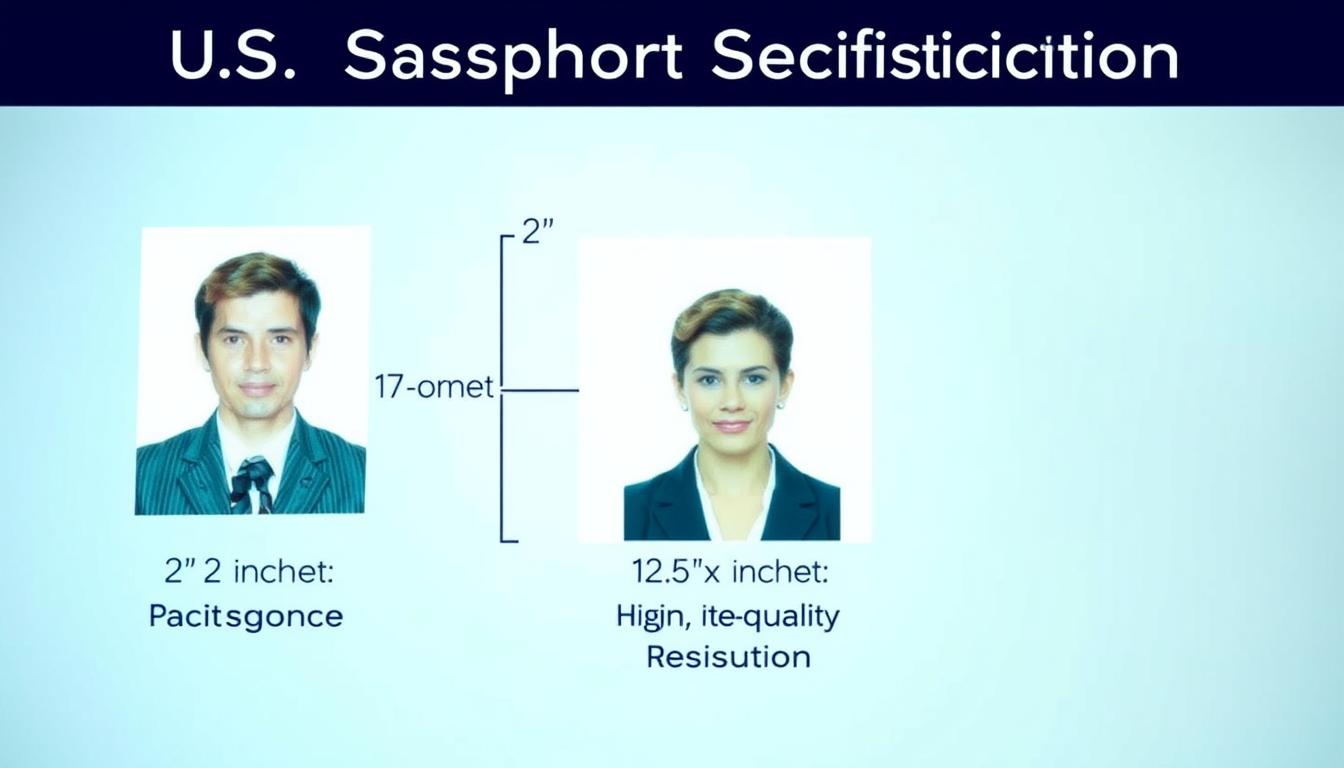
U.S. Passport Photo Requirements(2026 Updated)
Passport photo rejection is one of the most common reasons U.S. passport applications are delayed, including expedited and urgent requests. Many applicants assume that a passport photo is a minor detail, but in reality, it is one of the most strictly regulated parts of the application process.
Even a small issue—such as a shadow behind your head, the wrong photo size, or an outdated image—can cause your application to be suspended while corrections are requested. When this happens, processing stops completely until a new photo is submitted, often adding weeks to the overall timeline.
This guide explains the official U.S. passport photo requirements, why photos are rejected so often, and how to make sure your photo is accepted the first time. The information here follows standards set by the U.S. Department of State and applies to both first-time applications and renewals.
Table of Contents
Why Passport Photo Rules Are So Strict
Passport photos are not just identification pictures. They are used for:
- Identity verification
- Facial recognition systems
- Border control and immigration screening
Because passport photos are digitized and analyzed by automated systems, even minor inconsistencies can cause rejection. These systems require uniform lighting, precise dimensions, and clear facial visibility. As a result, photo rules are enforced far more strictly than most people expect.
Official U.S. Passport Photo Requirements
U.S. passport photos must meet every requirement exactly. Failing even one rule can result in rejection.
The core requirements include:
- Photo size: Exactly 2 × 2 inches
- Head size: Head must measure between 1 inch and 1⅜ inches from chin to top of head
- Background: Plain white or off-white only
- Photo age: Taken within the last 6 months
- Pose: Facing the camera directly, head centered
- Expression: Neutral expression or natural smile, mouth closed
- Eyes: Open and clearly visible
- Glasses: Not allowed unless medically required with documentation
The photo must be printed on high-quality photo paper with no filters, retouching, or digital alterations.
Clothing, Accessories, and Appearance Rules
Many photo rejections occur because applicants overlook clothing and accessory guidelines.
You should not wear:
- Uniforms or camouflage clothing
- Hats, caps, or head coverings (unless for religious reasons)
- Headphones, earbuds, or Bluetooth devices
Religious head coverings are allowed, but the face must be fully visible from chin to forehead, and no shadows may obscure facial features.
Although not prohibited, wearing white or very light-colored clothing is discouraged because it can blend into the background and reduce contrast.
Common Passport Photo Mistakes That Cause Rejection
Most rejected photos fail for preventable reasons, especially when taken at home.
The most frequent issues include:
- Shadows on the face or background
- Uneven lighting or overexposed images
- Backgrounds that appear white but contain texture, patterns, or color tint
- Photos that are cropped, stretched, or resized incorrectly
- Blurry or grainy image quality
- Photos taken too far away or too close
DIY photos are especially prone to these problems, even when taken with high-quality smartphones.
Why DIY Passport Photos Often Fail
While it is technically possible to take your own passport photo, many applicants underestimate how precise the requirements are. Smartphone cameras often introduce:
- Automatic filters
- Background color distortion
- Perspective errors
- Incorrect head size ratios
Even if a photo looks acceptable to the human eye, it may still fail automated checks used during passport processing.
Best Way to Get a Compliant Passport Photo
The safest and most reliable option is to use a professional passport photo service. Pharmacies, post offices, shipping stores, and photo studios are familiar with government standards and regularly update their equipment and procedures.
Professional services:
- Use correct lighting and backgrounds
- Ensure accurate dimensions and head size
- Reduce the risk of rejection significantly
Online passport photo tools can be used, but only if the photo is carefully verified before submission.
Why Photo Accuracy Matters Even More for Expedited Passports
With routine passport service, a rejected photo is inconvenient. With expedited service, it can be disastrous.
When a photo is rejected:
- Processing is paused immediately
- Your application may be removed from the expedited queue
- Correction requests can add weeks to the timeline
Paying for expedited service does not protect you from photo rejections. In fact, when time is limited, photo accuracy becomes even more critical.
This is why photo compliance is emphasized in our main guide on expedited passports
(How to Get an Expedited Passport in the USA Faster: Complete Guide with Costs & Timelines).
How to Check Your Photo Before Submitting
Before submitting your application, review your photo carefully:
- Confirm the exact dimensions
- Check for shadows or background discoloration
- Ensure the photo is recent
- Verify that your face is fully visible and centered
If there is any doubt, retake the photo before submission. It is far easier to redo a photo than to fix a delayed application.
Passport Photo Acceptance Checklist (Use This Before You Submit)
Before submitting your passport application, review your photo against every item in this checklist. If even one item fails, the photo risks rejection.
Photo Size & Quality
- Photo size is exactly 2 × 2 inches
- Printed on high-quality photo paper (not matte or low-resolution prints)
- Photo is clear, sharp, and not pixelated
- No filters, retouching, or digital enhancements used
Background & Lighting
- Background is plain white or off-white
- No shadows behind the head or on the face
- Lighting is even, with no glare or overexposure
- Background has no texture, patterns, or color tint
Head Position & Framing
- Head is centered and facing the camera directly
- Head size is between 1 inch and 1⅜ inches from chin to top of head
- Entire face is visible, including forehead and chin
- Photo is not cropped too closely or taken from too far away
Facial Expression & Eyes
- Neutral expression or natural smile
- Mouth closed
- Both eyes open and clearly visible
- Eyes are not obscured by hair, glare, or shadows
Glasses, Clothing & Accessories
- No glasses worn (unless medically required with documentation)
- No hats, caps, or head coverings (except for religious reasons)
- No headphones, earbuds, or Bluetooth devices
- Clothing contrasts with background (avoid white or very light colors)
- No uniforms or camouflage clothing
Photo Age & Authenticity
- Photo was taken within the last 6 months
- Photo accurately reflects current appearance
- No reused photos from old passport applications
Important Reminder for Expedited Applications
If you are applying with expedited or urgent service, treat this checklist as mandatory, not optional.
A rejected photo:
- Immediately pauses processing
- Can remove your application from the expedited queue
- Often adds weeks to the total timeline
Paying extra for faster service does not protect you from photo-related delays.
For more on avoiding expedited delays, see:
How to Get an Expedited Passport in the USA Faster: Complete Guide with Costs & Timelines
If you answer “I’m not 100% sure” to any item on this checklist, retake the photo before submitting. Fixing a photo takes minutes. Fixing a delayed application can take weeks.
Final Thoughts
Passport photo requirements are strict for a reason, and they are enforced consistently. Most photo rejections are not caused by rare technical issues, but by small oversights that applicants didn’t realize mattered.
If there is one rule to remember:
A passport photo that looks “good enough” is often not good enough.
Getting the photo right the first time saves weeks of delay, prevents missed travel plans, and avoids the stress of last-minute corrections—especially when applying under time pressure.
