Best Credit Cards for Bad Credit in the USA 2026: Top 5 Picks + Signup Links
Understanding Bad Credit Scores
Credit scores typically range from 300 to 850, with higher numbers indicating better creditworthiness. Most lenders consider scores below 640 to be in the “bad credit” category. Your credit score is calculated based on several factors, including payment history, credit utilization, length of credit history, new credit accounts, and types of credit used.
Credit Score Ranges:
- Excellent: 750+
- Good: 700-749
- Fair: 640-699
- Bad: 300-639
Bad credit can result from missed payments, high credit card balances, bankruptcy, foreclosure, or simply having limited credit history. While having bad credit can make it harder to get approved for traditional credit cards, there are specialized options designed specifically for credit rebuilding.
Secured vs. Unsecured Credit Cards for Bad Credit
Secured Credit Cards
- Require a refundable security deposit
- Deposit typically becomes your credit limit
- Lower fees than unsecured bad credit cards
- Higher approval odds
- Many offer graduation paths to unsecured cards
Unsecured Credit Cards
- No security deposit required
- Typically have higher fees and interest rates
- Lower credit limits to start
- More difficult approval process
- May have additional processing fees
For most people with bad credit, secured cards offer the best value. They typically have lower fees and better terms, with the only downside being the upfront deposit requirement. However, if you can’t afford a deposit, an unsecured card might be your only option.
Top Credit Cards for Bad Credit in United States
We’ve analyzed dozens of credit cards designed for people with bad credit and selected the best options based on fees, interest rates, credit-building features, and upgrade potential. Here are our top recommendations:
| Card Name | Card Type | Annual Fee | Min. Deposit | Regular APR | Credit Building Features |
| Discover it® Secured Credit Card | Secured | $0 | $200 | 26.74% Variable | Reports to all 3 bureaus, path to unsecured |
| Capital One Platinum Secured Credit Card | Secured | $0 | $49-$200 | 29.49% Variable | Reports to all 3 bureaus, credit line reviews |
| OpenSky® Secured Visa® Credit Card | Secured | $35 | $200 | 24.39% Variable | No credit check, reports to all bureaus |
| Credit One Bank® Platinum Visa® | Unsecured | $75 first year, $99 thereafter | $0 | 29.24% Variable | Pre-qualification, credit score access |
| Capital One Quicksilver Secured | Secured | $0 | $200 | 29.49% Variable | Cash back rewards, automatic reviews |
| First Progress Platinum Prestige | Secured | $49 | $200 | 13.74% Variable | Lower APR, reports to all bureaus |
1. Discover it® Secured Credit Card
Key Features
- Annual Fee: $0
- Security Deposit: $200 minimum (refundable)
- Regular APR: 26.74% Variable
- Rewards: 2% cash back at gas stations and restaurants (up to $1,000 in combined purchases each quarter), 1% cash back on all other purchases
- Welcome Bonus: Cashback Match™ – Discover automatically matches all cash back earned at the end of your first year
- Credit Building: Reports to all three major credit bureaus
- Upgrade Path: Automatic reviews starting at 7 months for possible transition to an unsecured card
Pros
- No annual fee
- Earns cash back rewards
- First-year cashback match
- Path to upgrade to unsecured card
- Free FICO® Score access
Cons
- Requires $200+ security deposit
- High APR if you carry a balance
- Requires bank account for deposit
The Discover it® Secured Credit Card stands out as the best overall option for people with bad credit. It’s rare to find a secured card with no annual fee that also offers rewards. The automatic cashback match at the end of your first year effectively doubles your rewards, making it even more valuable.
What truly sets this card apart is its clear upgrade path. Discover automatically reviews your account starting at 7 months to see if you can transition to an unsecured card and get your deposit back. This makes it an excellent stepping stone toward rebuilding your credit.
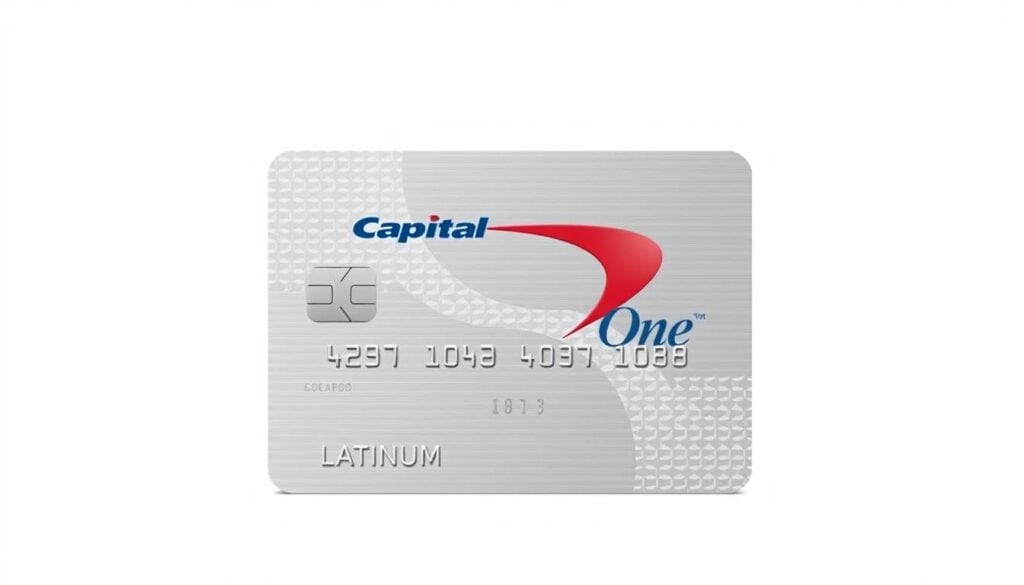
2. Capital One Platinum Secured Credit Card
Key Features
- Annual Fee: $0
- Security Deposit: $49, $99, or $200 (based on creditworthiness)
- Regular APR: 29.49% Variable
- Rewards: None
- Credit Building: Reports to all three major credit bureaus
- Upgrade Path: Automatic credit line reviews in as little as 6 months
Pros
- No annual fee
- Potential for lower security deposit ($49)
- Automatic credit line reviews
- Free credit monitoring with CreditWise
- No foreign transaction fees
Cons
- No rewards program
- High APR
- Lower deposit amounts not guaranteed
The Capital One Platinum Secured Credit Card is ideal for those who want to minimize their upfront costs. While most secured cards require a deposit equal to your credit limit, Capital One may offer you a $200 credit line with a deposit of just $49 or $99, depending on your creditworthiness.
Another advantage is the automatic consideration for a higher credit line in as little as 6 months with responsible card use. This feature, combined with no annual fee, makes it an excellent choice for rebuilding credit without breaking the bank.
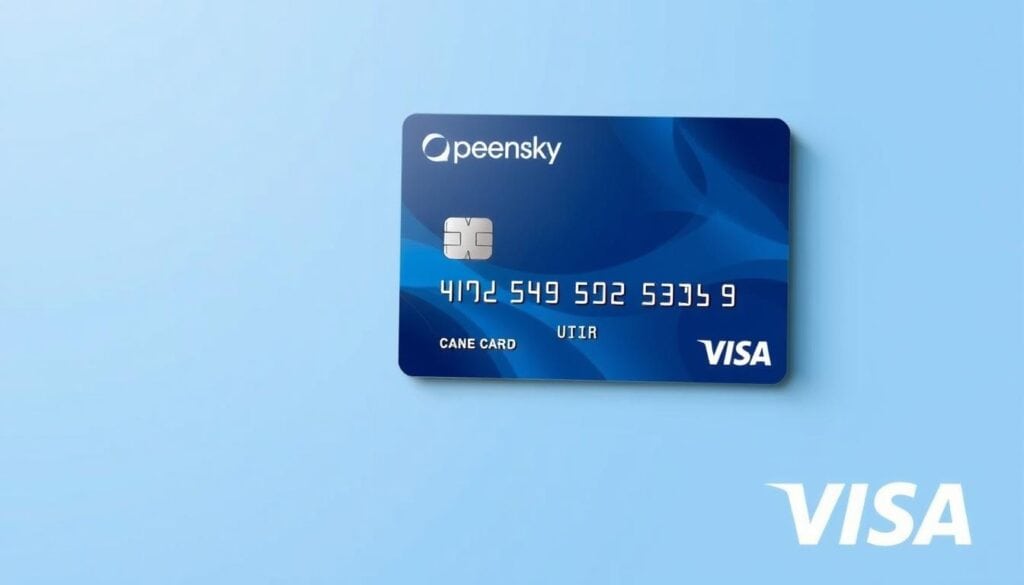
3. OpenSky® Secured Visa® Credit Card
Key Features
- Annual Fee: $35
- Security Deposit: $200 minimum (refundable)
- Regular APR: 24.39% Variable
- Rewards: None
- Credit Building: Reports to all three major credit bureaus
- Special Feature: No credit check required
Pros
- No credit check required
- No bank account required
- Reports to all three credit bureaus
- Lower APR than many competitors
- 89% approval rate
Cons
- $35 annual fee
- No rewards program
- No clear upgrade path to unsecured card
The OpenSky® Secured Visa® Credit Card is the easiest card to get approved for if you have severely damaged credit. Unlike most cards, OpenSky doesn’t perform a credit check during the application process, making it accessible even to those with recent bankruptcies or multiple delinquencies.
Another unique feature is that you don’t need a bank account to get approved. You can pay your security deposit via money order or Western Union. While the $35 annual fee is a drawback, it’s a small price to pay for the near-guaranteed approval when other options aren’t available.
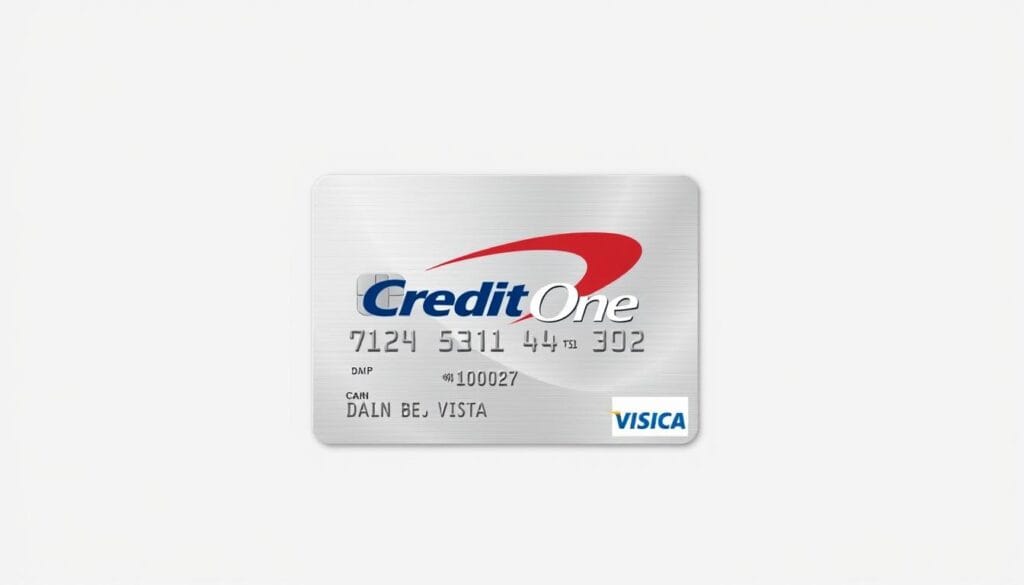
4. Credit One Bank® Platinum Visa®
Key Features
- Annual Fee: $75 first year, $99 thereafter (billed at $8.25 monthly)
- Security Deposit: None (unsecured)
- Regular APR: 29.24% Variable
- Rewards: 1% cash back on eligible purchases
- Credit Building: Reports to all three major credit bureaus
- Special Feature: Pre-qualification with no impact on credit score
Pros
- No security deposit required
- Cash back rewards on eligible purchases
- Free credit score access
- Pre-qualification available
- Credit line increases possible
Cons
- High annual fee
- High APR
- Limited initial credit line
- Potential additional fees
The Credit One Bank® Platinum Visa® is one of the few unsecured credit cards available to people with bad credit. If you can’t afford a security deposit, this card provides access to credit without one, though at a higher cost.
The card offers 1% cash back on eligible purchases, which helps offset some of the annual fee. Credit One also allows you to pre-qualify without affecting your credit score, so you can check your approval odds before applying. While the fees are higher than secured alternatives, this card can be a viable option if you need credit without a deposit.
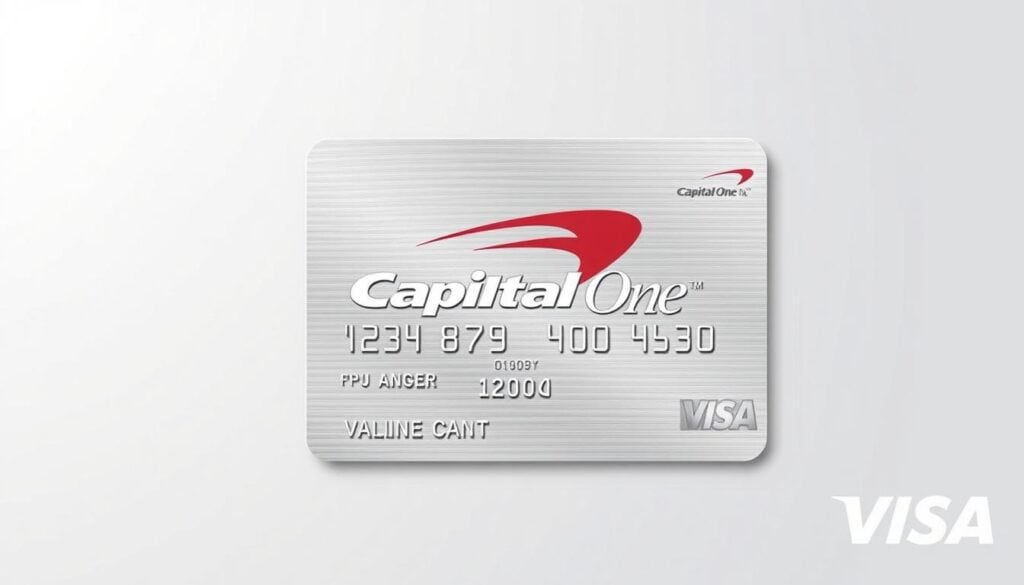
5. Capital One Quicksilver Secured Cash Rewards Credit Card
Key Features
- Annual Fee: $0
- Security Deposit: $200 minimum (refundable)
- Regular APR: 29.49% Variable
- Rewards: 1.5% cash back on all purchases; 5% cash back on hotels and rental cars booked through Capital One Travel
- Credit Building: Reports to all three major credit bureaus
- Upgrade Path: Automatic credit line reviews in as little as 6 months
Pros
- No annual fee
- Generous cash back rewards
- Automatic credit line reviews
- Free credit monitoring with CreditWise
- No foreign transaction fees
Cons
- High APR
- Requires $200 minimum deposit
- Approval not guaranteed
The Capital One Quicksilver Secured Cash Rewards Credit Card offers the best rewards rate among secured cards for bad credit. With 1.5% cash back on all purchases, it matches the rewards rate of many cards designed for people with good credit.
Like other Capital One secured cards, it offers automatic consideration for credit line increases after 6 months of responsible use. The combination of no annual fee, solid rewards, and a clear path to a higher credit limit makes this an excellent choice for rebuilding credit while earning cash back.
How to Choose the Right Credit Card for Bad Credit
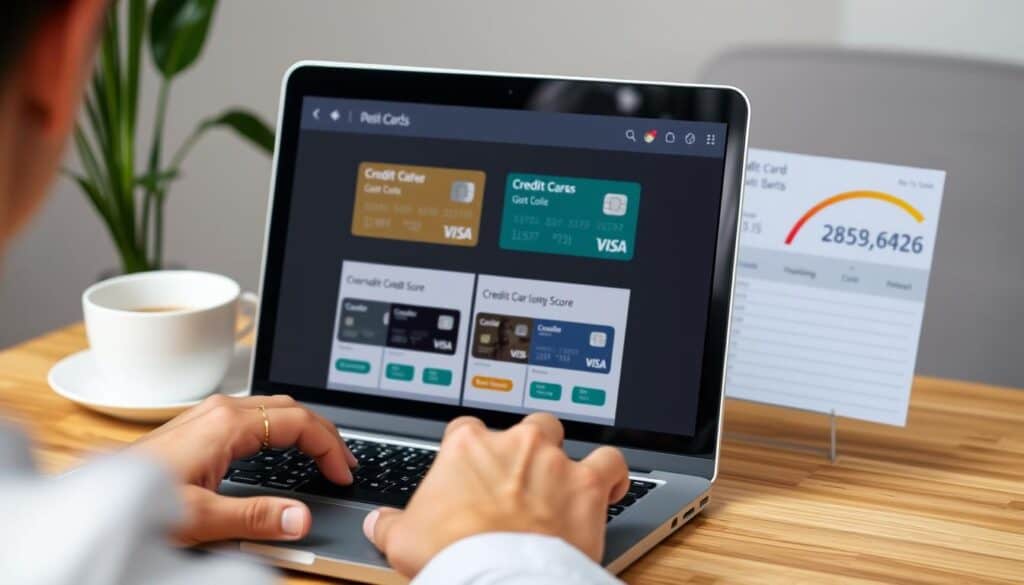
When selecting a credit card to rebuild your credit, consider these important factors:
1. Secured vs. Unsecured
If you can afford a security deposit (typically $200-$300), a secured card usually offers better terms and lower fees. If you can’t afford a deposit, an unsecured card might be your only option, but be prepared for higher fees.
2. Annual Fees
Many secured cards offer no annual fee options. For unsecured cards for bad credit, annual fees are common but vary widely. Calculate the total cost over a year to determine if the fee is worth it.
3. Credit Building Features
Ensure the card reports to all three major credit bureaus (Experian, Equifax, and TransUnion). Some cards also offer free credit score access and educational resources.
4. Upgrade Path
Look for cards that offer a clear path to either a higher credit limit or an upgrade to an unsecured card after demonstrating responsible use.
5. Rewards and Benefits
While not the primary focus when rebuilding credit, rewards can provide additional value. Some secured cards now offer cash back on purchases.
6. Interest Rates
APRs for bad credit cards are typically high. Plan to pay your balance in full each month to avoid interest charges. If you expect to carry a balance, prioritize cards with lower APRs.
Ready to find the right card for your situation?
Many issuers offer pre-qualification with no impact on your credit score.
Check Pre-Qualification Options
Tips for Using Credit Cards to Improve Your Credit Score
Payment Habits
- Pay on time, every time – payment history is 35% of your FICO score
- Set up automatic payments to avoid missing due dates
- Pay more than the minimum whenever possible
- Consider making multiple small payments throughout the month
Credit Utilization
- Keep your balance below 30% of your credit limit
- Aim for 10% utilization for optimal credit score impact
- Request credit limit increases after 6-12 months of responsible use
- Consider making payments before your statement closing date
Account Management
- Keep your account active with small, regular purchases
- Monitor your credit report regularly for errors
- Don’t apply for multiple new credit cards at once
- Keep the account open even after your credit improves
“The key to rebuilding credit is consistency and patience. Most people see significant improvement within 12-18 months of responsible credit card use.”
Remember that rebuilding credit takes time. Most negative items stay on your credit report for seven years, but their impact diminishes over time. By consistently using your credit card responsibly, you’ll gradually build a positive payment history that will help improve your score.
Frequently Asked Questions About Credit Cards for Bad Credit
How quickly can a credit card for bad credit improve my score?
You may see modest improvements in as little as 3-6 months with responsible use. More significant improvements typically take 12-18 months of consistent on-time payments and low credit utilization. The exact timeline depends on your specific credit history and current score.
What’s the difference between secured and unsecured credit cards?
Secured credit cards require a refundable security deposit that typically becomes your credit limit. Unsecured cards don’t require a deposit but usually have higher fees and interest rates for those with bad credit. Secured cards generally offer better terms and higher approval odds for people with damaged credit.
Can I get approved for a credit card with very poor credit (below 550)?
Yes, there are options available even for very poor credit. Secured cards like the OpenSky® Secured Visa® don’t require a credit check and have high approval rates. Store credit cards and cards specifically designed for credit rebuilding are also possibilities. Pre-qualification tools can help you find cards you’re likely to be approved for without affecting your credit score.
How much of a security deposit will I need for a secured credit card?
Most secured credit cards require a minimum deposit of $200-$300, which typically becomes your credit limit. Some cards, like the Capital One Platinum Secured, may offer a $200 credit line with a lower deposit of $49 or $99 for qualifying applicants. Maximum deposits vary by card but often range from $1,000 to $5,000.
Will I get my security deposit back?
Yes, security deposits are refundable. You’ll get your deposit back when you close your account in good standing (with no outstanding balance) or when you upgrade to an unsecured card with the same issuer. Some issuers, like Discover and Capital One, automatically review your account for potential upgrades after a period of responsible use.
How can I avoid fees with credit cards for bad credit?
To minimize fees, look for cards with no annual fee, pay your balance in full each month to avoid interest charges, never exceed your credit limit, and always pay on time to avoid late fees. Secured cards typically have fewer fees than unsecured cards for bad credit. Be sure to read the card’s terms and conditions carefully before applying.
Rebuilding Your Credit with the Right Card

Having bad credit doesn’t mean you’re out of options. The right credit card can be a powerful tool for rebuilding your credit score when used responsibly. Whether you choose a secured card with a refundable deposit or an unsecured card with higher fees, consistent on-time payments and low credit utilization will help improve your credit over time.
Remember that rebuilding credit is a marathon, not a sprint. Be patient, stay consistent with your payments, and monitor your progress regularly. With time and responsible use, you can work your way up to better credit and qualify for cards with lower rates, better rewards, and more benefits.
Ready to start rebuilding your credit?
Compare the best credit cards for bad credit and find the right fit for your financial situation.
Check Eligibility
How to Get Out of Debt Fast: 12 Proven Strategies That Work in 2025

You may also like

How Many Credit Cards Should You Have?

Best Unsecured Credit Cards for Bad Credit in the United States