
Best Unsecured Credit Cards for Bad Credit in the United States
We’ve researched and compared the top unsecured credit cards available to those with credit challenges, focusing on reasonable fees, reporting practices to credit bureaus, and paths to credit improvement. Whether you’re rebuilding after financial hardship or establishing credit for the first time, these options can help you move forward.
What Are Unsecured Credit Cards for Bad Credit?
Unsecured credit cards don’t require a security deposit as collateral, making them different from secured credit cards. For people with bad credit (typically FICO scores below 580), unsecured cards designed for credit rebuilding offer a way to establish positive payment history without putting down a deposit.
How Unsecured Cards Work
Instead of using a deposit to secure your credit line, card issuers assess your creditworthiness based on income, existing debts, and credit history. Because of the higher risk to lenders, these cards typically come with:
- Higher annual fees
- Higher interest rates (APRs)
- Lower initial credit limits
- Fewer rewards or benefits
Benefits of Unsecured Cards
Despite potential drawbacks, unsecured cards offer several advantages:
- No upfront deposit required
- Opportunity to build credit with responsible use
- Reporting to all three major credit bureaus
- Potential for credit limit increases over time
- Some offer rewards programs despite credit limitations
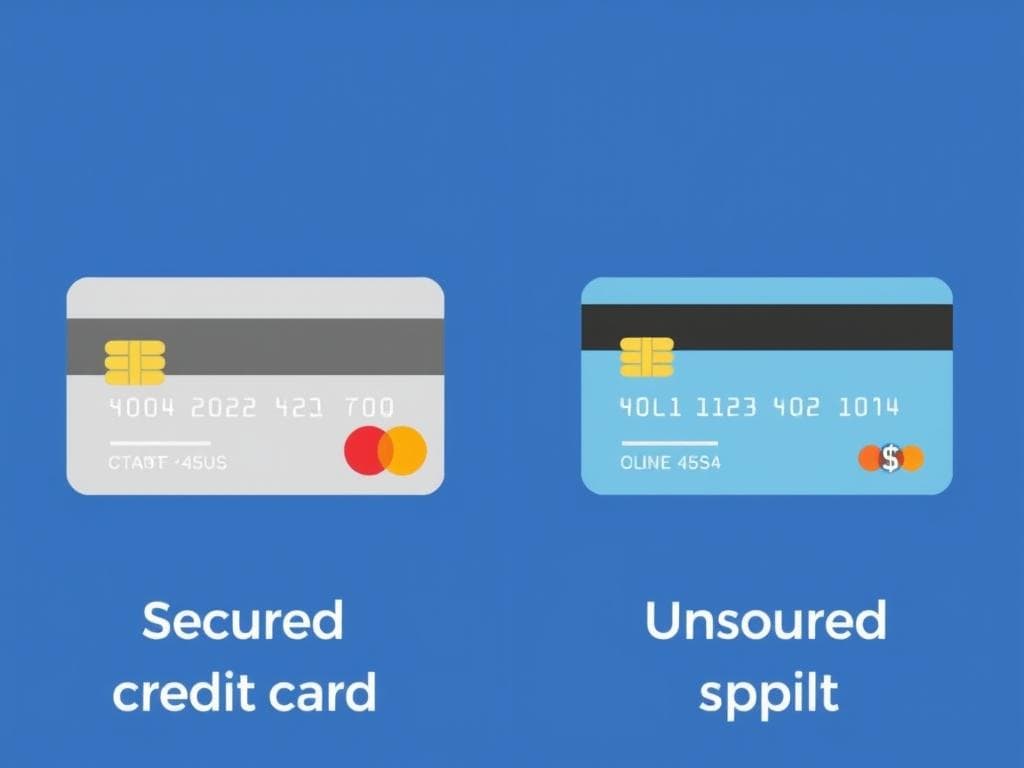
Comparing the Best Unsecured Credit Cards for Bad Credit
Before diving into detailed reviews, here’s a quick comparison of our top picks for unsecured credit cards for bad credit:
| Card Name | Annual Fee | Regular APR | Credit Limit Range | Rewards | Credit Bureau Reporting |
| Credit One Bank® Platinum Visa® | $75 first year, then $99 | 28.99% Variable | $300-$2,000 | 1% cash back on eligible purchases | All three bureaus |
| Petal® 2 Visa® Credit Card | $0 | 28.99%-30.99% Variable | $300-$10,000 | 1-1.5% cash back on all purchases | All three bureaus |
| Indigo® Platinum Mastercard® | $0-$99 | 24.90% Fixed | $300-$1,000 | None | All three bureaus |
| Tilt Engage | $59 | 29.99% Variable | $300-$5,000 | 1-10% cash back at select merchants | All three bureaus |
| OneMain Financial BrightWay® Card | $0-$89 | 19.99%-29.99% Variable | $300-$2,000 | 1% cash back on all purchases | All three bureaus |
Credit One Bank® Platinum Visa® for Rebuilding Credit
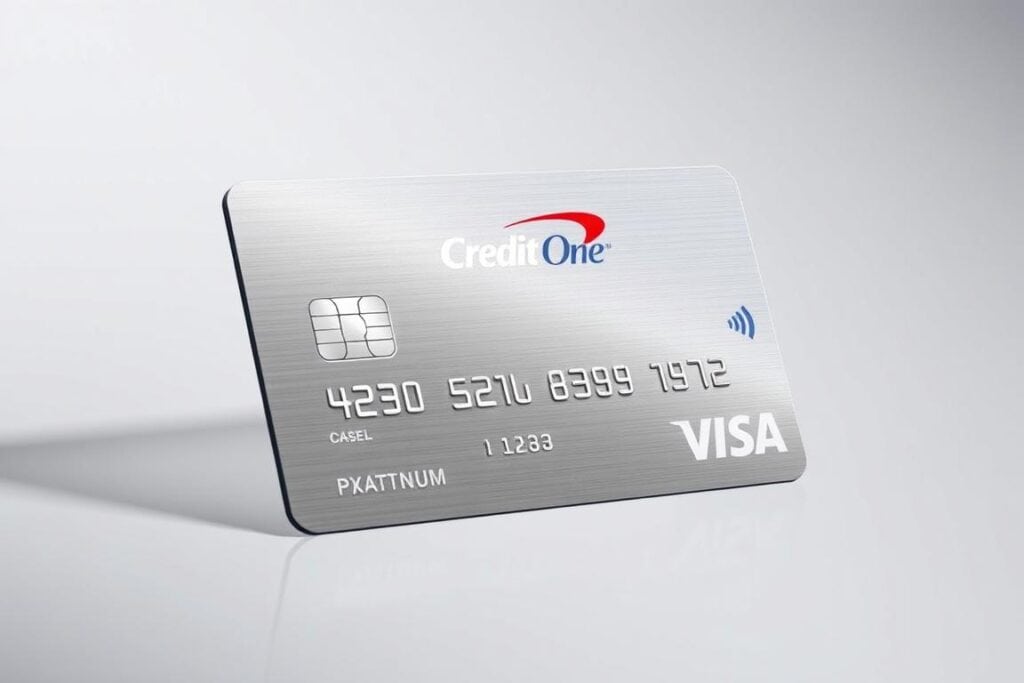
Card Details
- Annual Fee: $75 first year, then $99 annually (billed at $8.25 per month)
- Regular APR: 28.99% Variable
- Credit Limit: Starting at $300 (subject to review for increases)
- Rewards: 1% cash back on eligible gas, groceries, mobile phone, internet, cable and satellite TV services
- Foreign Transaction Fee: Either $1 or 3% of each purchase in U.S. dollars, whichever is greater
Why We Recommend It
The Credit One Bank® Platinum Visa® stands out for offering cash back rewards despite being designed for those with bad credit. You’ll earn 1% cash back on common everyday expenses like gas, groceries, and utility services. The card reports to all three major credit bureaus, helping you build credit with responsible use.
Credit One regularly reviews accounts for credit line increases, giving you the opportunity to access more credit as you demonstrate responsible card management. The card also offers free access to your Experian credit score, helping you track your credit-building progress.
Pros
- Cash back rewards on everyday purchases
- Regular account reviews for credit line increases
- Reports to all three major credit bureaus
- Free credit score access
- Pre-qualification available without affecting credit score
Cons
- High annual fee that increases after the first year
- High APR compared to cards for better credit
- Limited rewards categories
- Foreign transaction fees
Ready to Apply for the Credit One Bank® Platinum Visa®?
Check if you pre-qualify without affecting your credit score.
Petal® 2 “Cash Back, No Fees” Visa® Credit Card
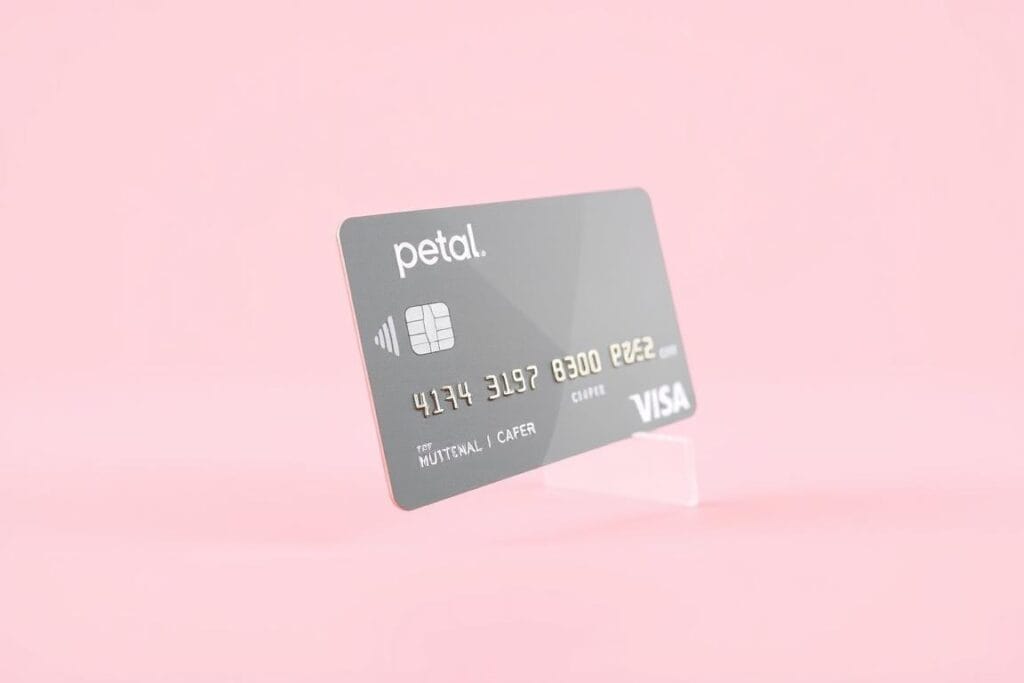
Card Details
- Annual Fee: $0
- Regular APR: 28.99% – 30.99% Variable
- Credit Limit: $300 – $10,000 based on creditworthiness
- Rewards: 1% cash back on eligible purchases right away, up to 1.5% after making 12 on-time monthly payments; 2% to 10% cash back at select merchants
- Foreign Transaction Fee: None
Why We Recommend It
The Petal® 2 Visa® Credit Card is unique because it can evaluate your creditworthiness beyond just your credit score. If you have limited or no credit history, Petal can look at your banking history and other financial data to make an approval decision. This makes it accessible to those with bad credit or no credit history at all.
What truly sets this card apart is its complete lack of fees—no annual fee, no late fee, and no foreign transaction fees. The card also rewards responsible credit behavior by increasing your cash back rate from 1% to 1.5% after you make 12 on-time monthly payments.
Pros
- No annual fee or hidden fees
- Cash back rewards that increase with responsible use
- Reports to all three major credit bureaus
- No foreign transaction fees
- Higher potential credit limits than typical bad-credit cards
Cons
- High APR
- May require linking a bank account during application
- Takes time to earn the full 1.5% cash back rate
- May be harder to qualify for than some other bad-credit cards
Ready to Apply for the Petal® 2 Visa® Credit Card?
See if you’re pre-approved with no impact to your credit score.
Indigo® Platinum Mastercard®
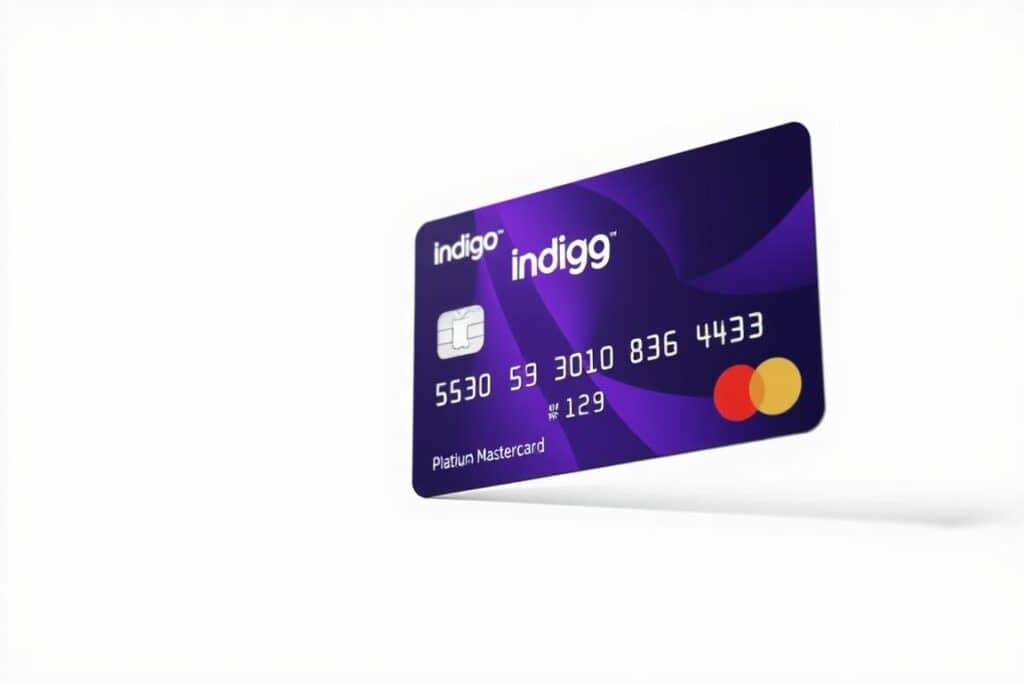
Card Details
- Annual Fee: $0, $59, or $99 based on creditworthiness
- Regular APR: 24.90% Fixed
- Credit Limit: $300 initially (minus annual fee if applicable)
- Rewards: None
- Foreign Transaction Fee: 1% of each transaction in U.S. dollars
Why We Recommend It
The Indigo® Platinum Mastercard® is known for its high approval rates for people with bad credit or bankruptcy in their history. The pre-qualification process lets you check your approval odds without affecting your credit score, making it a low-risk option to explore.
While this card doesn’t offer rewards, it focuses on its primary purpose: helping you rebuild credit by reporting to all three major credit bureaus. Some applicants may qualify for the card with no annual fee, though this depends on your credit profile.
Pros
- High approval odds for bad credit
- Pre-qualification with no impact to credit score
- Reports to all three major credit bureaus
- Possibility of no annual fee for some applicants
- Fixed APR (not variable)
Cons
- Annual fee for many applicants
- No rewards program
- Low initial credit limit
- Foreign transaction fees
- Limited benefits beyond credit building
Ready to Apply for the Indigo® Platinum Mastercard®?
Check if you pre-qualify with no impact to your credit score.
Tilt Engage Credit Card
Card Details
- Annual Fee: $59
- Regular APR: 29.99% Variable
- Credit Limit: $300 minimum (with opportunities for increases)
- Rewards: 1% to 10% cash back at select merchants
- Foreign Transaction Fee: 3% of each transaction
Why We Recommend It
The Tilt Engage card offers a unique approach to credit approval, using alternative data like income and spending patterns rather than relying solely on credit scores. This makes it accessible to those with bad credit who have stable finances in other areas.
The card provides several paths to credit limit increases and offers cash back rewards when shopping with specific partner merchants. It reports to all three major credit bureaus, helping you build credit with responsible use.
Pros
- Alternative approval process beyond credit scores
- Cash back rewards at select merchants
- Regular credit limit increase reviews
- Reports to all three major credit bureaus
- Relatively low annual fee compared to competitors
Cons
- Annual fee required
- High APR
- May require linking bank account for approval
- Limited rewards outside partner merchants
- Foreign transaction fees
Ready to Apply for the Tilt Engage Credit Card?
See if you qualify with Tilt’s alternative approval process.
OneMain Financial BrightWay® Card
Card Details
- Annual Fee: $0-$89 based on creditworthiness
- Regular APR: 19.99%-29.99% Variable
- Credit Limit: $300-$2,000 based on creditworthiness
- Rewards: Unlimited 1% cash back on all purchases
- Foreign Transaction Fee: 3% of each transaction
Why We Recommend It
The OneMain Financial BrightWay® Card offers unique “Milestone Rewards” that incentivize responsible credit behavior. After making six consecutive on-time payments, you can choose between a credit limit increase (up to $15,000) or a reduced purchase APR (no lower than 19.99%).
This card provides unlimited 1% cash back on all purchases, which is a solid reward rate for a card designed for bad credit. It reports to all three major credit bureaus, helping you build credit with consistent responsible use.
Pros
- Choice of rewards for on-time payments
- Unlimited 1% cash back on all purchases
- Reports to all three major credit bureaus
- Potential for no annual fee
- Possibility of significant credit limit increases
Cons
- Annual fee for many applicants
- Available by invitation or through partner websites only
- High APR range
- Foreign transaction fees
Ready to Apply for the OneMain Financial BrightWay® Card?
Check if you’re eligible for this invitation-only card.
How to Apply for Unsecured Credit Cards with Bad Credit

Steps to Apply
- Check your credit score – Know where you stand before applying. Many free services offer credit score checks without affecting your score.
- Pre-qualify when possible – Most cards on our list offer pre-qualification, which shows your approval odds without a hard credit inquiry.
- Gather required information – Have your Social Security number, income details, employment information, and address history ready.
- Complete the application – Apply online through the issuer’s website. Applications typically take 5-10 minutes to complete.
- Wait for a decision – Some cards offer instant decisions, while others may take a few days to review your application.
Required Documentation
When applying for unsecured credit cards for bad credit, you’ll typically need to provide:
- Full legal name, date of birth, and Social Security number
- Current address and phone number
- Employment status and annual income
- Monthly housing payment (rent or mortgage)
- Bank account information (for some cards)
Pro Tip: Before submitting multiple applications, use pre-qualification tools when available. Multiple hard inquiries in a short period can further damage your credit score.
Unsecured vs. Secured Credit Cards for Bad Credit
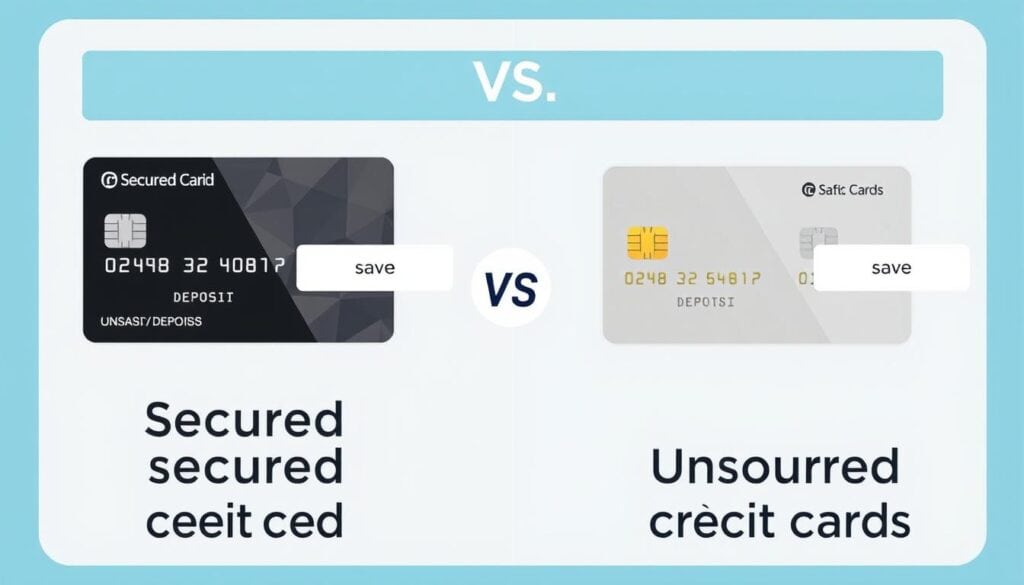
| Feature | Unsecured Cards | Secured Cards |
| Security Deposit | Not required | Required (typically $200-$2,000) |
| Annual Fees | Often higher ($0-$99+) | Often lower ($0-$49) |
| Credit Limits | Based on creditworthiness | Usually equal to deposit amount |
| Approval Odds | Lower for bad credit | Higher for bad credit |
| Rewards | Sometimes available | Sometimes available |
| Credit Building | Reports to credit bureaus | Reports to credit bureaus |
| Upgrade Path | May offer credit limit increases | May convert to unsecured with good history |
When to Choose an Unsecured Card
An unsecured credit card for bad credit might be right for you if:
- You don’t have funds available for a security deposit
- You’re willing to pay higher fees for the convenience of no deposit
- You want access to credit immediately without waiting for deposit processing
- You qualify for an unsecured card with reasonable terms
When to Choose a Secured Card
A secured credit card might be a better option if:
- You can afford to make a security deposit
- You want to avoid high annual fees
- You prefer getting your deposit back when you close or upgrade the account
- You want higher approval odds
Remember: Both secured and unsecured cards can help you build credit when used responsibly. The best choice depends on your financial situation and preferences.
Tips for Building Credit with Unsecured Cards

Payment Management
- Pay on time, every time – Payment history is 35% of your FICO score
- Set up automatic payments – Avoid missed payments
- Pay in full when possible – Avoid interest charges
- Make at least minimum payments – If you can’t pay in full
Credit Utilization
- Keep balances low – Aim for under 30% of your credit limit
- Consider multiple payments – Pay twice monthly to keep utilization low
- Request credit limit increases – After 6-12 months of responsible use
- Don’t max out your card – Even if you pay in full
Account Management
- Monitor your credit regularly – Track your progress
- Keep accounts open – Length of credit history matters
- Use the card regularly – Small, manageable purchases
- Upgrade when possible – Move to better cards as credit improves
“The key to rebuilding credit with unsecured cards is consistency and patience. Small, responsible actions over time will have a significant positive impact on your credit score.”
Timeline for Credit Improvement
When using unsecured credit cards for bad credit responsibly, you can expect to see:
- 1-3 months: Establishment of new positive payment history
- 6 months: Potential small improvements in credit score
- 12 months: Significant improvement possible with consistent responsible use
- 24 months: Potential eligibility for better credit cards with lower fees and better rewards
Warning: Missing payments or maxing out your credit card can quickly undo months of positive credit-building progress. Always use your card responsibly.
Frequently Asked Questions About Unsecured Credit Cards for Bad Credit

What credit score is needed for an unsecured credit card?
Most unsecured credit cards for bad credit will consider applicants with FICO scores between 300-579, which is considered the “poor” credit range. Some cards like the Petal 2 may also consider other financial factors beyond your credit score. Pre-qualification tools can help you check your approval odds without affecting your credit score.
How long does it take to rebuild credit with an unsecured card?
With consistent on-time payments and responsible credit management, you may see improvements in your credit score within 3-6 months. Significant improvements typically take 12-24 months of responsible credit use. Factors that influence this timeline include your starting credit score, the reason for your bad credit, and how you use the new credit card.
Are unsecured cards better than secured cards for building credit?
Neither is inherently better for building credit. Both unsecured and secured cards report to the credit bureaus and can help build credit with responsible use. Secured cards typically have lower fees and higher approval odds but require a deposit. Unsecured cards don’t require a deposit but often have higher fees. Choose based on your financial situation and preferences.
Can I get an unsecured credit card after bankruptcy?
Yes, it’s possible to get an unsecured credit card after bankruptcy, though your options will be limited. Cards like the Indigo® Platinum Mastercard® specifically consider applicants with bankruptcy in their history. You’ll have better approval odds if your bankruptcy has been discharged and you’ve established some positive credit history since then.
How can I avoid high fees with unsecured cards for bad credit?
To minimize fees, look for cards with no annual fee like the Petal® 2 Visa® Credit Card, or consider secured cards which typically have lower fees. Always read the card’s terms and conditions carefully before applying, watching for monthly maintenance fees, processing fees, and other hidden charges. Pre-qualify when possible to see what terms you’re offered before applying.
Will applying for multiple credit cards hurt my credit score?
Yes, each credit card application that results in a hard inquiry can temporarily lower your score by a few points. Multiple applications in a short period can have a compounding negative effect. Use pre-qualification tools when available, as these typically use soft inquiries that don’t affect your score. Apply only for cards you have a good chance of being approved for.
Finding the Right Unsecured Credit Card for Bad Credit
Rebuilding credit with an unsecured credit card is possible, even with bad credit. The cards we’ve reviewed offer various combinations of fees, rewards, and credit-building features to match different needs and situations. When choosing an unsecured credit card for bad credit, consider your specific financial situation, how much you can afford in annual fees, and which features matter most to you.
Remember that the primary goal of these cards is to help you rebuild your credit through responsible use. Make on-time payments, keep your balances low, and monitor your credit score regularly. With consistent responsible use, you can improve your credit score over time and eventually qualify for credit cards with better terms and more generous rewards.

Ready to Start Rebuilding Your Credit?
Compare our top picks for unsecured credit cards for bad credit and find the right card for your needs.
Additional Official Resources of the U.S. Government
For more official information on credit cards, credit reports, and rebuilding your credit, you can visit these government and consumer‑protection resources:
- USAGov – Credit reports and scores: Learn how credit reports work and how to get your report for free: https://www.usa.gov/credit-reportsusa
- FDIC – Credit reports and credit scores: Education on how credit scores are used and how to improve them: https://www.fdic.gov/consumer-resource-center/2021-08/credit-reports-and-credit-scoresfdic
- Consumer Financial Protection Bureau – Credit cards: Guides on choosing, comparing, and managing credit cards: https://www.consumerfinance.gov/consumer-tools/credit-cards/consumerfinance
- CFPB – How to start or rebuild good credit: Practical tips for building a positive credit history: https://www.consumerfinance.gov/ask-cfpb/what-are-some-ways-to-start-or-rebuild-a-good-credit-history-en-2155/consumerfinance
- Federal Trade Commission – Credit and debt advice: Official advice on using credit and managing debt: https://consumer.ftc.gov/credit-loans-and-debt/credit-and-debtconsumer.ftc

You may also like

How Many Credit Cards Should You Have?

Best Credit Cards With No Annual Fee in the U.S. 2026